


Latest Update
CALL FOR ACTION
One critical field season. A chance to learn more about FIVE wild cat species, that we still know so little about.
Latest Update
CCARP Engages with Gujarat’s Forest & Environment Leadership on Asiatic Caracal Conservation
The Caracal Conservation and Research Project (CCARP) was honoured to meet Shri Pravin Gordhanji Mali, Hon’ble Minister of State for Forest, Environment & Climate Change, Government of Gujarat, to present our ongoing work on the conservation of the Critically Endangered Asiatic Caracal and the fragile ecosystems of Kutch.
CCARP is India's first and only Caracal organisation, working actively on Asiatic caracals and its ecosystem across its range.
During the interaction with Mr. Pravin, CCARP shared its work across the Kutch landscape, including our approach to long-term research, monitoring and conservation of the Asiatic Caracal and its associated ecosystems. The discussion also provided an opportunity to secure necessary permissions and share our vision for strengthening caracal conservation efforts across Gujarat.

Hon. Minister of State, Forest, Environment & Climate Gujarat Shri Pravin Mali with Founder & Director of CCARP, Mr. Shreyas Vijay.at Sardar Bhavan, Gandhinagar, Ahmedabad on 3rd August 2026

Our Mission
To protect and conserve caracals, other lesser-known small cats, and wildlife inhabiting the ecosystem, ensuring the preservation of their habitats while promoting individual welfare. Our efforts are driven by collaborative partnerships with local communities, government agencies, and stakeholders to maintain ecological balance and safeguard these species for future generations.

"For the species that exists beyond the spotlight"
The Caracal
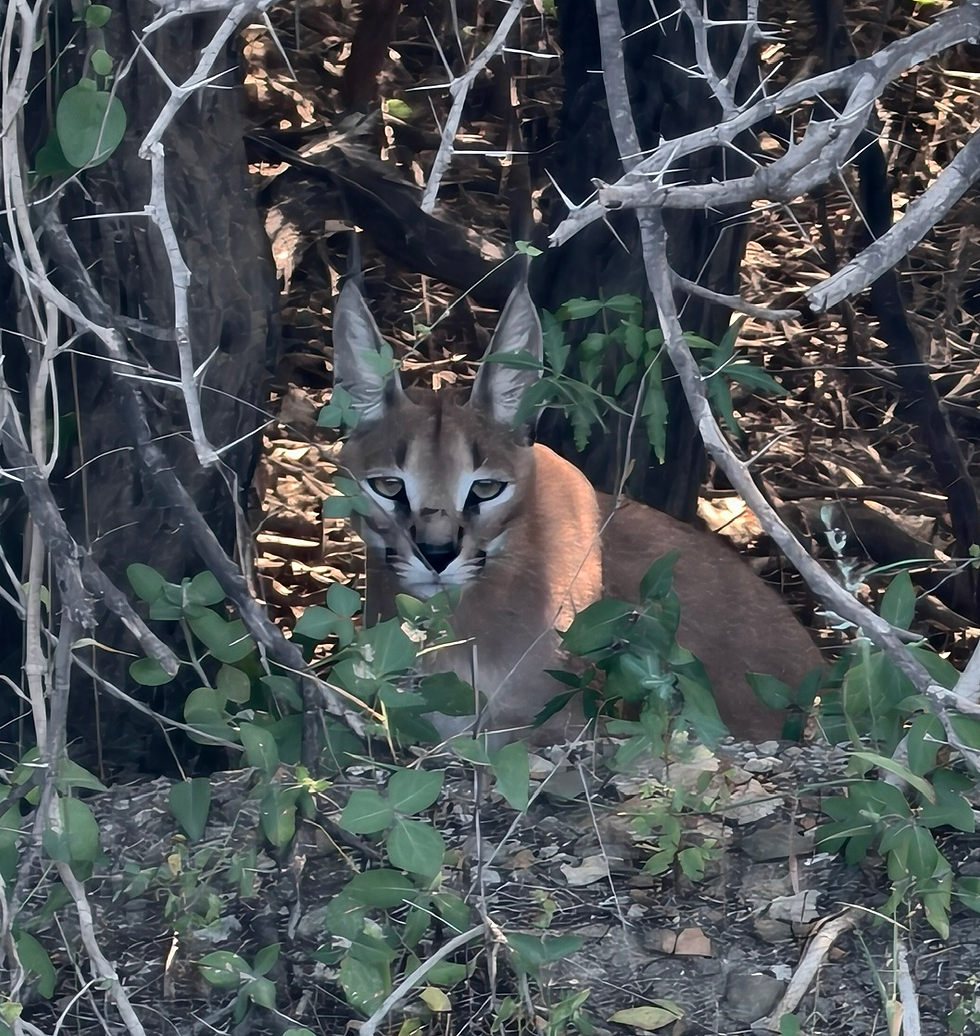
Built for speed, precision, and silence, the caracal is one of nature's most refined hunter. With its striking black ear tufts and powerful leap, it is a capable of capturing birds mid-air and taking down prey far larger than itself.
Yet despite its remarkable abilities, the Asiatic caracal remains one of the India's least studied and understood carnivores. once widespread, it is now restricted to fragmented pockets across Gujarat, Rajasthan, and Madhya Pradesh, with its population believed to be critically low.
Its survival depends not only on protection, but one understanding something that has been missing for decades.
Image by Robin C Hamilton
"Protecting landscapes that are often overlooked"

The caracal, locally known as “siyah gosh” (meaning black-eared one), has a deep-rooted history in India dating back to at least 1616. Once widely distributed across 13 states, this medium-sized and elusive feline was closely associated with royal hunting traditions. Historical records from the Mughal era highlight its prominence Emperor Jahangir documented the species in 1616, while Akbar included it in the Ain-i-Akbari as a prized hunting animal. Even earlier, Firuz Shah Tughlaq is believed to have maintained dedicated enclosures known as “Siyah-goshdar khana” for training caracals to hunt small deer and birds. Through the 18th and 19th centuries, the species continued to feature prominently in royal courts, valued for its agility and effectiveness in hunting rabbits, birds, and antelopes. However, over the past century, extensive habitat loss has driven a dramatic 95 % population decline, restricting its presence today largely

About Us
Working in silence
In the quiet, rugged landscapes of India’s semi-arid wilderness, one of the country’s most elusive predators still survives largely unseen, and dangerously understudied. The Caracal Conservation and Research Project (CCARP) is a Gujarat-based Section 8-company, NGO, working to address the issue. While our research and fieldwork on the species have been passively ongoing since 2019, the organization was formally established in January 2026.
What began as a response to a critical gap in knowledge has evolved into a focused conservation movement dedicated to the Asiatic caracal and the fragile ecosystems it inhabits. At CCARP, we combine rigorous scientific research with on-ground conservation, working at the intersection of ecology, technology, and community.
Our approach is rooted in the belief that meaningful conservation must be both data-driven and people-centered. Through long-term monitoring, habitat studies, and deep engagement with local communities, we aim to secure a future not just for the caracal, but for the entire landscape it represents.
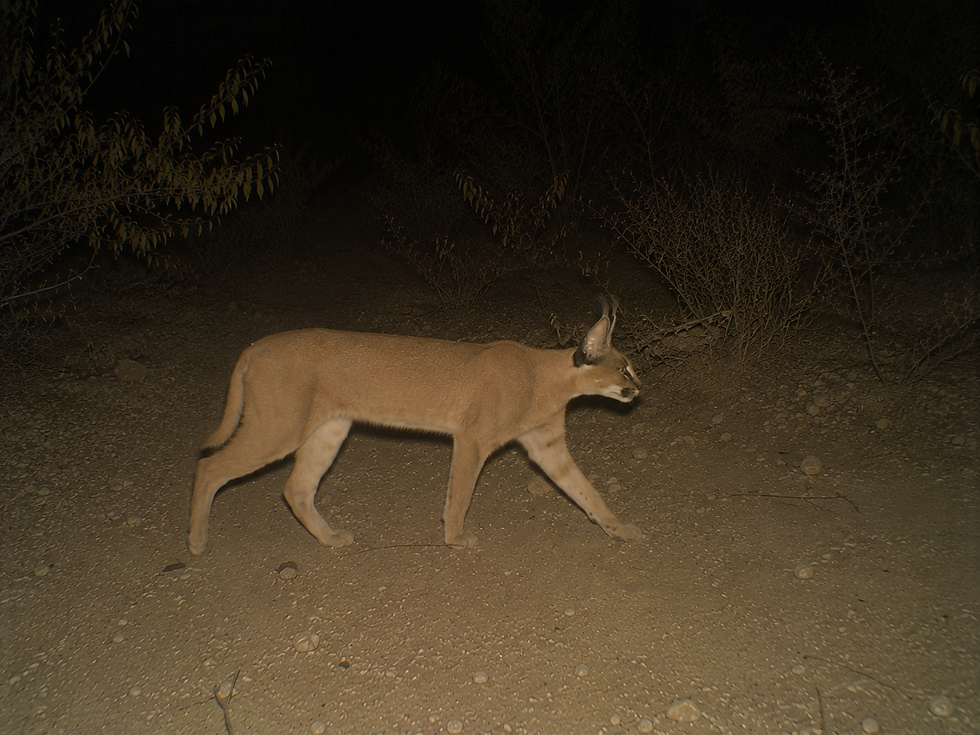
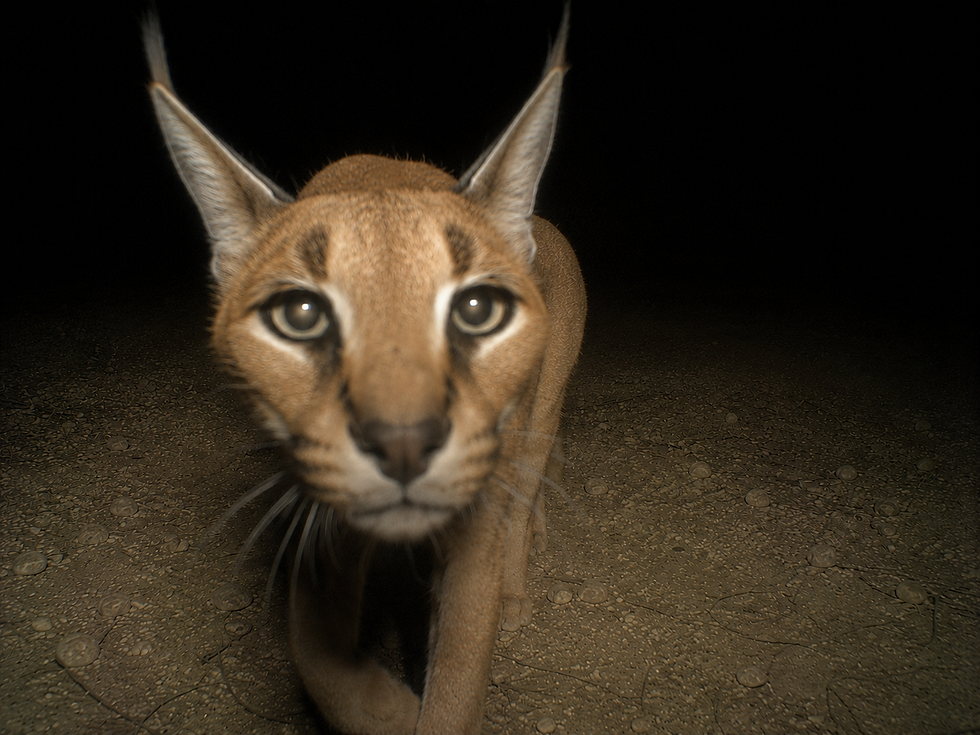


Over the past few years, CCARP has documented one of the largest datasets on the Asiatic caracal in India, recording over 400 historical sightings across key landscapes. Our fieldwork has revealed new presence areas, captured rare photographic evidence, and expanded understanding of associated wildlife from honey badgers, striped hyenas to desert foxes and elusive small cats. But beyond data, our work extends into communities where awareness, trust, and coexistence form the foundation of long-term conservation success. The caracal is more than a species it is a keystone of its ecosystem. As an apex predator, it regulates prey populations, maintains ecological balance, and supports the health of entire landscapes. When such a species disappears, the consequences ripple outward affecting vegetation, water systems, and ultimately human livelihoods. Conservation, in this context, is not just about saving a wildcat it is about preserving the integrity of an entire ecosystem.
"Because extinction happens quietly"

Challenges faced
Bridging the gap between science, communities, and conservation.
Conserving India’s arid and semi-arid ecosystems is essential not only for protecting wildlife but also for sustaining the livelihoods of communities that depend on these landscapes. Native grasslands, thorn scrub and open woodlands play a vital role in stabilising soil, preventing erosion, maintaining soil fertility and supporting natural water infiltration. Their vegetation provides fodder for livestock, while healthy soils and functioning ecosystems help sustain pastoralism and other traditional livelihoods. However, overgrazing, habitat degradation and the loss of native vegetation can weaken these ecological functions, accelerating soil erosion, reducing fodder availability and making communities increasingly vulnerable to drought and resource scarcity. Addressing these challenges requires recognising that livestock, wild herbivores, prey species and predators are all integral components of the same ecological system. Prey species support carnivores, while predators contribute to ecological balance through their interactions with prey populations and other species. The loss of either can disrupt ecological relationships, although the precise effects depend on the species and landscape involved. Similarly, conserving native vegetation helps maintain the shelter, food resources and breeding habitats on which wildlife depends. Protecting arid ecosystems therefore does not mean excluding people or preventing all livestock grazing; it means promoting ecologically sustainable land use that allows natural processes and traditional livelihoods to coexist. Ultimately, the conservation of arid ecosystems is not simply about saving individual species; it is about preserving the ecological foundation that sustains life and livelihoods across some of India’s most overlooked landscapes.
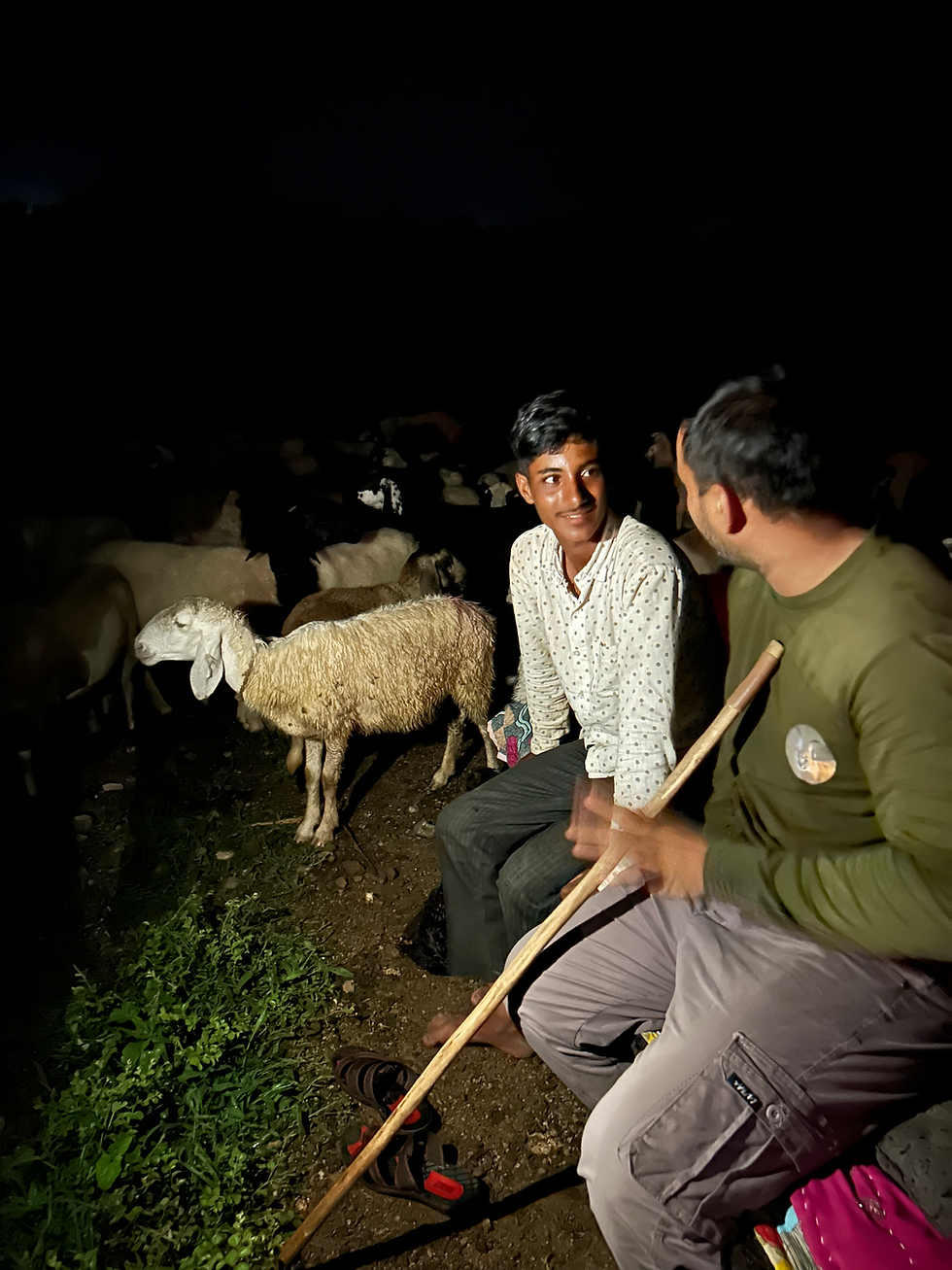
This is where conservation becomes real!
We envision a future where the Asiatic caracal is no longer a forgotten predator, but a recognised symbol of India’s semi-arid ecosystems.
Our goal is to establish the caracal as a flagship species driving conservation awareness, influencing policy, and securing protection for some of the most overlooked habitats in the country. In doing so, we aim to redefine how conservation is approached in dryland ecosystems across India and beyond.


PRESENTLY WORKING ON...
11
45,000 sq km
22
Active locations across multiple high priority landscapes in western and central India
Covering thousands of square kilometres of critical caracal habitat
Studying and documenting a diverse assemblage of desert and dryland species
At CCARP, our conservation approach is built on three interconnected pillars that guide how we understand species, work with people, and drive lasting conservation action.

Species Research & Conservation Monitoring

Community & Institutional Engagement

Conservation Planning & Policy

Our work is rooted in the vast, resilient landscapes of Kutch where thorn forests, scrublands, and seasonal wetlands converge to form one of India’s most unique ecosystems.
Spanning thousands of square kilometers, these habitats support an extraordinary diversity of life, despite receiving limited protection. They are also home to pastoral communities whose lives are deeply intertwined with the land.
While Kutch remains our primary field landscape, CCARP’s work extends beyond Gujarat. Through passive monitoring and local collaborations, we are building a growing presence in Madhya Pradesh and selected landscapes in Rajasthan; regions that continue to hold remnant populations of the Asiatic caracal.
Where we work
The ecosystems we serve
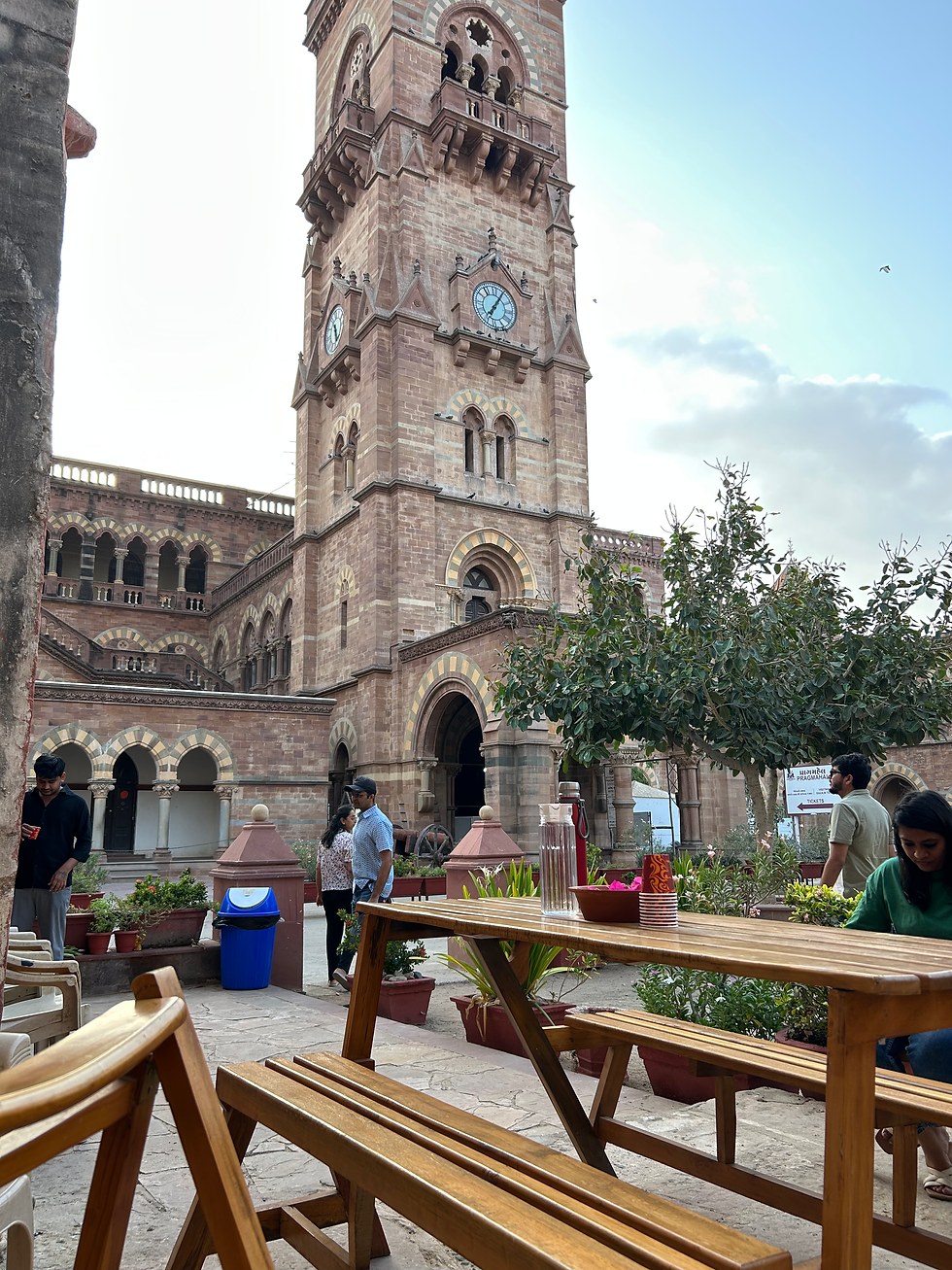
Kutch, a historically and culturally significant region of western Gujarat, has roots extending to the Indus Valley Civilization and was shaped by successive dynasties before being unified under the Jadeja ruler Rao Khengarji I in the 16th century. The region experienced periods of prosperity as well as major upheavals, including the earthquakes. Following independence, Kutch became part of Gujarat in 1960 and subsequently experienced rapid reconstruction, industrialisation and tourism growth. Today, Bhuj serves as its cultural centre, reflecting the region’s rich heritage through landmarks, festivals and renowned crafts such as Kutchi embroidery, Bandhani, Rogan art and Bhujodi textiles. Diverse communities, including Rabari, Ahir and Jat, continue to preserve distinctive cultural traditions and strong connections with the landscape. This cultural and historical legacy has also influenced Kutch’s wildlife landscape. The Royal families of Kutch historically maintained privately managed forests known as “rakhals”, several of which were later transferred to government management, including a recent transition in 2024. These landscapes have helped retain relatively intact habitats comprising thorn forests, scrublands, grasslands, rocky hills, wetlands and salt marshes. However, increasing pressures from invasive species, renewable-energy infrastructure, agricultural expansion and overgrazing threaten habitat integrity. Kutch supports a distinctive carnivore community, an important assemblage of smaller carnivores including five cat species. Relatively low human presence across many natural habitats, alongside generally tolerant attitudes towards wildlife, may contribute to species persistence. Our reconnaissance indicates that key knowledge gaps concern habitat use, connectivity, ecological requirements and anthropogenic pressures.

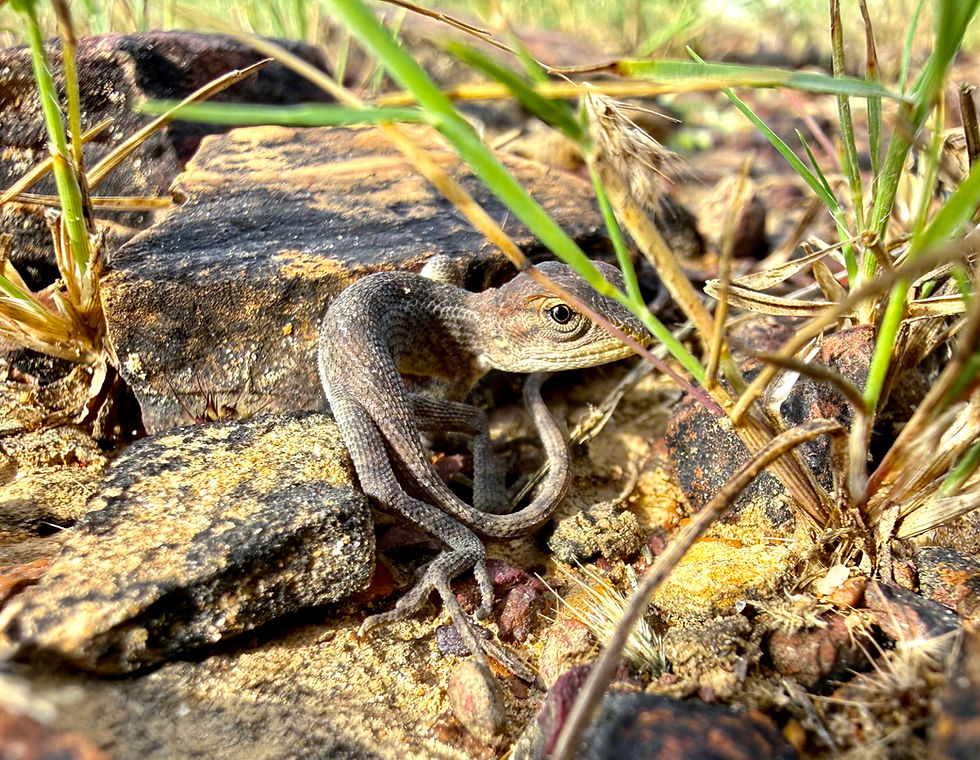
The habitat types in the region include dry tropical forests, semi-arid deserts, mixed and hilly terrains and patches of dry deciduous forests. The area experiences a highly varied climate, with temperatures ranging from a minimum of 5°C in winter to a maximum of 48°C in summer. While the average annual rainfall exceeds 750 mm, the rainfall pattern remains highly irregular. The study area is part of the Kutch Biosphere Reserve and lies near the Banni Grasslands. It is classified as Type 6B Northern Tropical Thorn Forest. Despite only 9% of the land being under some form of legal protection, this non-protected region, which includes the talukas of Bhuj, Nakhatrana, Abdasa, and Lakhpat, supports diverse habitats. These include dry thorn woodlands, scrub forests, and seasonal wetlands, which host a wide range of flora and fauna. The region is home to approximately 200 bird species including the endangered MacQueen's Bustard, Lesser Florican, Great Indian Bustard, Greater Flamingo, and many raptors, waterfowls, waders, larks, etc. It also houses 41 mammal species, such as Asiatic wildcat, Indian wolf, desert fox, and striped hyena. Reptiles like the Indian cobra, saw-scaled viper, soft-shell turtle and freshwater crocodile; and other elusive species like the honey badger, crested porcupine, asiatic caracal and long-eared hedgehog add to the region’s biodiversity. Occasionally, leopards are also sighted in the area. The terrain features mixed thorn forests and scrublands with steep elevated areas in certain parts. The vegetation is characterized by Acacia species such as Acacia senegal, Acacia leucophloea, and Acacia nilotica, which indicate healthy forests. Other significant tree species include Prosopis cineraria, Capparis decidua, Ziziphus nummularia, and Salvadora oleoides. However, the region faces challenges from invasive species like Prosopis juliflora, introduced in the 1960s, which thrive in dry habitats and pose a significant conservation threat. The flora of this ecosystem plays a critical role in sustaining resident wildlife, including the caracal, and supports local communities who depend on the forests for their livelihoods, particularly pastoralist activities like livestock rearing.


Our Team
CCARP is led by two young-generation conservationists and an experienced team. As an organisation, we are new and have been slowly and passively building our presence in the landscape. We have been maintaining our local network while also building new relationships that are relevant to the scope of our organisation and the work we aim to do.
Apart from this our directors, Shreyas Vijay and Shreyas Nakate both have been a part of caracal camera trapping survey carried out by the Forest Department of Gujarat and Madhya Pradesh respectively. This has helped them maintain some contacts with local people as well as with the department.
As individuals, we have worked in the grasslands of Maharashtra on elusive species such as Indian grey wolves. We were actively involved in grid-based and opportunistic camera trapping in the open natural ecosystems as part of research projects. We also maintained data from camera traps, cctv's, drones and audio moths in structured formats.
More importantly, we operate as a one strong field team, spending a significant amount of our time tracking and monitoring several species, multiple dens and various niches across human-dominated landscapes. As a locally-based NGO, this experience has shaped us well in terms of on-ground fieldwork, which we believe is the foundation of any organisation working in conservation.
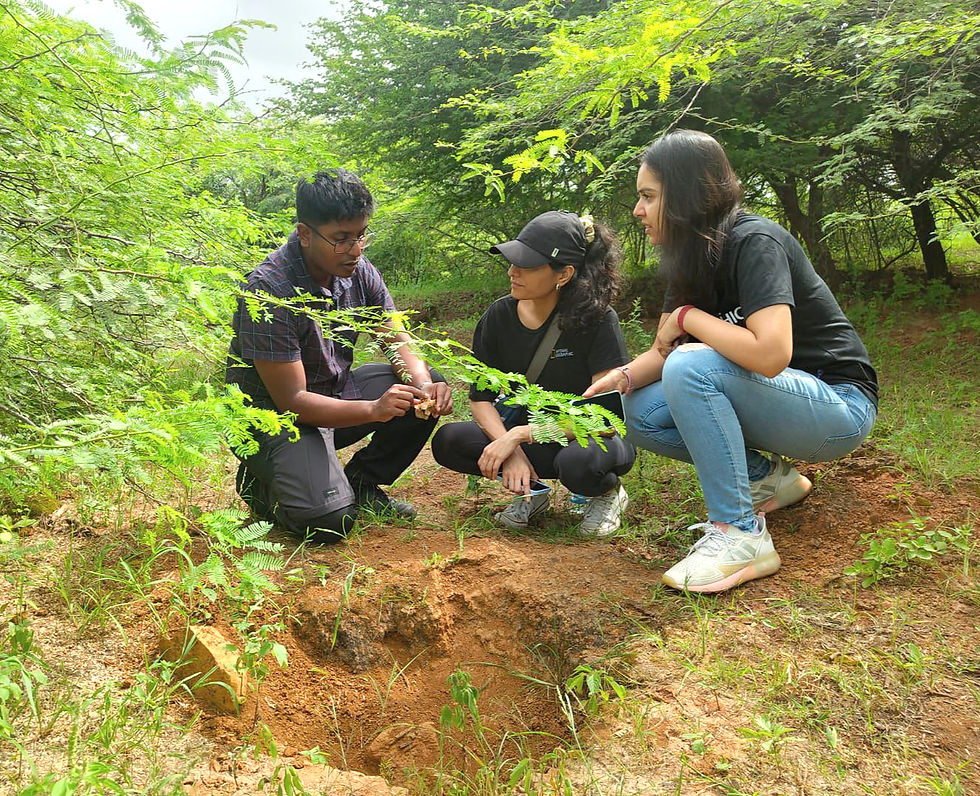
Image Credits: Property of National Geographic Society


Shreyas Vijay
Founder & Director
Co-founder & Director
Shreyas Nakate
Patron & Strategic Advisor
Shrey Mehta
Head - Finance
Rahul Thakkar
As our programmes expand and funding is secured, we will be welcoming new members to our team to support the active implementation of our research and conservation initiatives.
Individual Partners

Chief Scientist, SmartTerra
Navaneethan Santhanam

Eshika Fyzee
Documentary Filmmaker
Captive Caracal Specialist

Ricky Reino
Institutional Partners
-
Maharao Pragmulji Nature Conservation Trust
We are engaging with scientific advisors, partners, institutions and organisations to build meaningful knowledge partnerships and collaborations. Details of confirmed partnerships and supporters will be added here soon.

Our Insights
Latest perspectives, news, and stories


News article featuring CCARP director Shreyas Nakate's work on caracal project with Global Tiger Forum and Astral Foundation at Gandhisagar Wildlife Sanctuary in Madhya Pradesh.


